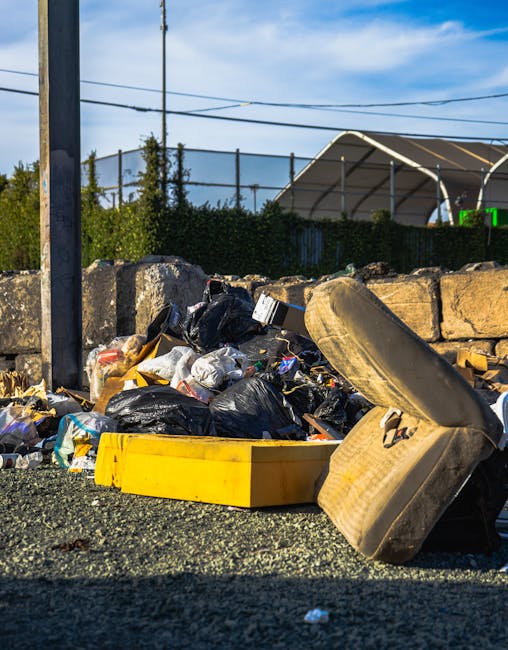
Bulky waste removal in Farringdon: what to expect
If you are staring at an old sofa, a broken wardrobe, or that freezer you've been meaning to deal with for months, you are not alone. Bulky waste has a habit of quietly taking over a flat, hallway, or office corner until one day it becomes the thing you cannot ignore any longer. This guide to Bulky waste removal in Farringdon: what to expect walks you through the whole process in plain English, so you know what happens, what to prepare, and how to avoid the usual headaches.
Farringdon is a busy part of London, with tight streets, shared entrances, stair-only access in some buildings, and not much room for guesswork. That means a good bulky waste collection is not just about lifting and loading. It is about planning, access, timing, recycling, and making sure the right items go to the right place. Let's get into it properly.
Table of Contents
- Why bulky waste removal in Farringdon matters
- How the service works
- Key benefits and practical advantages
- Who this is for and when it makes sense
- Step-by-step guidance
- Expert tips for better results
- Common mistakes to avoid
- Tools, resources and recommendations
- Law, compliance and best practice
- Options, methods and comparison
- Case study or real-world example
- Practical checklist
- Conclusion
- Frequently asked questions
Why bulky waste removal in Farringdon matters
Bulky waste removal sounds simple until you actually try to move a three-seater sofa down a narrow staircase at 8am while a neighbour is trying to get to work. In a place like Farringdon, the details matter. Access can be awkward, parking can be limited, and some items are simply too awkward or heavy to handle safely without the right equipment and experience.
There is also a practical waste issue. Bulky items are not like a standard bin bag. They often need to be sorted for reuse, recycling, or responsible disposal, depending on what they are made of and whether they can be passed on. If you are clearing a flat before a move, replacing office furniture, or finally getting rid of a mattress that has had better days, knowing what to expect makes the whole process calmer. And calmer is good. No one needs extra stress on a Tuesday morning.
For many people, the real value is not just removing an item; it is reclaiming usable space. A room looks bigger, cleaning becomes easier, and the place stops feeling half-finished. Small win, but a proper one.
For broader moving support, people often pair bulky waste removal with removals in Farringdon or a more tailored man with a van service when several household tasks need sorting at once.
How bulky waste removal in Farringdon works
Most bulky waste removals follow a fairly straightforward pattern, although the exact steps depend on the provider and the type of items involved. In practice, the process usually starts with a description of the waste, then a quote or estimate, then booking a collection window, and finally collection and disposal or recycling.
Here's the basic flow you can expect:
- You describe the items. This might include sofas, wardrobes, beds, desks, cabinets, white goods, or mixed household clutter.
- Access details are checked. Things like stairs, lift access, parking restrictions, and whether the item needs dismantling can all affect the job.
- A quote is given. This may be based on the number of items, the time needed, the size of the load, or the difficulty of the access.
- Collection is scheduled. Same-day slots may be possible in some cases, while others are booked in advance.
- Items are removed and handled appropriately. Good operators aim to recycle or sort waste sensibly where possible, rather than sending everything away blindly.
If you are already mid-move, this can fit neatly alongside house removals in Farringdon or flat removals in Farringdon. That tends to be the moment people realise how much "stuff" has been quietly breeding in the spare room.
One thing to keep in mind: bulky waste collection is not always the same as standard rubbish collection. Some items need special handling, particularly anything heavy, sharp, electrical, or potentially contaminated.
Key benefits and practical advantages
There are several good reasons people choose a professional bulky waste service instead of trying to do everything themselves.
- Less physical strain: Heavy items can be awkward and dangerous. A sofa is not just heavy; it is an awkward shape, often with no decent handhold. That is how backs get grumpy.
- Faster turnaround: What might take you a whole weekend can often be handled in a single visit.
- Better handling of access problems: Narrow hallways, awkward stairs, and restricted parking are common in Farringdon, so experience matters.
- Cleaner space, sooner: Once the bulky item goes, the room can be cleaned, measured, repurposed, or photographed for rental purposes.
- Improved disposal outcomes: Sensible sorting can support reuse and recycling rather than dumping everything into one pile.
There is also a mental benefit that people often underestimate. Big clutter has a way of nagging at you in the background. Remove it, and the space suddenly feels more workable. More honest, even. You know the feeling when you finally clear the last old chair from a room and think, why did I leave that there for so long?
For those trying to declutter before a move, our guide on decluttering before moving fits neatly with this topic and can help you decide what should go, what should stay, and what is worth repairing.
Who this is for and when it makes sense
Bulky waste removal is useful for a wide range of people, not just those leaving a property. In Farringdon, the usual situations are surprisingly varied.
- Home movers: Clearing items before a move or getting rid of things that will not come to the new place.
- Tenants ending a lease: Removing broken furniture or unwanted items before the final handover.
- Landlords and letting agents: Clearing left-behind furniture between tenancies.
- Office managers: Disposing of old desks, chairs, filing cabinets, and meeting-room furniture.
- Students or flat sharers: Dealing with a mattress, old bed frame, or furniture that no longer fits the space.
- People renovating: Removing large items to make room for works.
It also makes sense if you simply do not have the vehicle, the lifting help, or the patience to figure out where everything goes. To be fair, that last one is common enough. Not everyone wants a Saturday swallowed whole by a wardrobe that refuses to fit round a corner.
If the job is part of a larger move or home clear-out, you might also find the tips in house moving made less stressful useful, especially if bulky waste is just one piece of a wider plan.
Step-by-step guidance
If you want the process to run smoothly, a little preparation goes a long way. The best bulky waste jobs are the ones where the client has already thought through the basics. Nothing fancy. Just sensible.
1. Identify exactly what needs removing
Make a simple list and be specific. "Old furniture" is a bit too vague. "Two-seater sofa, pine chest of drawers, broken bedside table, and a dismantled bed frame" is much better. If there are electrical items, mattresses, or mixed materials, note that too.
2. Check access before collection day
Measure doorways if needed, think about stairs, and look at parking outside the property. In a place like Farringdon, this step can save a lot of awkward back-and-forth. A collection crew may need to know if the item is on the third floor, if there is no lift, or if the van can stop close enough to the entrance.
3. Separate what can be reused or recycled
If some items are still in usable condition, it may be worth putting them aside rather than mixing them with damaged waste. A decent service will often be able to advise on the best route. This is especially relevant for furniture and appliances.
4. Prepare the item for lifting
Remove loose cushions, empty drawers, tape down moving parts, and clear the route to the door. If something can be dismantled safely, that may reduce the risk of damage or injury. For larger furniture jobs, you might also look at furniture removals in Farringdon or practical moving guidance like moving a bed and mattress safely.
5. Confirm timing and any restrictions
Ask how long the visit is likely to take, whether there are any access surcharges, and what happens if parking turns out to be tighter than expected. Good communication here prevents a lot of silly misunderstandings later.
6. Let the crew do the lifting
On collection day, your job is usually to keep paths clear and answer questions. The lifting should be handled by people who know how to move bulky loads without turning it into a minor drama.
That's the practical version. Not glamorous, but it works.
Expert tips for better results
After enough jobs, a few patterns become obvious. The collection that goes well is usually the one where the little things were handled early.
- Photograph the items before booking. Pictures reduce ambiguity and make quoting easier.
- Be honest about condition. If a wardrobe is falling apart, say so. If a sofa has water damage or smells musty, say that too. It matters.
- Keep walkways open. Hallways cluttered with boxes, shoes, and laundry can slow everything down.
- Label mixed loads. If there are items you want kept separate for reuse, make that obvious.
- Plan for awkward bits. Mirrors, glass panels, freezers, and pianos need extra care. For those, specialist help can make a big difference, and it is often worth reading about specialist piano moving best practices even if you are not moving a piano yourself, because the handling mindset is similar.
One small but useful habit: keep screws, fittings, and assembly parts in a labelled bag if you dismantle anything. You do not want to discover the "special drawer" of random bolts three months later. We've all been there, or close enough.
If your bulky waste job is linked to a larger move, the article on packing successfully for a move can help you avoid mixing disposal tasks with essential items.
Common mistakes to avoid
The most expensive mistakes are often the boring ones. Not dramatic, just annoying. Here are the most common issues people run into.
- Underestimating size and weight: A bulky item may be larger than you think once it has to turn through a hallway or descend stairs.
- Not checking parking or access: A van may not be able to stop exactly where you hoped. That matters more in central London than people expect.
- Mixing restricted items with general waste: Some items need special handling, so check before putting everything in one pile.
- Forgetting to clear the route: Shoes, side tables, bins, and open doors can all create avoidable delays.
- Choosing on price alone: The cheapest option is not always the easiest, safest, or most suitable.
- Leaving it until the last minute: If you need a collection before a checkout, renovation, or office handover, don't leave it to chance.
There is also the "I'll just do it myself" trap. Sometimes that works. Sometimes it ends with a bruised shin, a scratched wall, and a sofa wedged halfway through the door while everyone stands quietly pretending this is fine. It rarely is fine.
Tools, resources and recommendations
You do not need much in the way of specialist gear, but a few simple items can make a bulky waste job a lot smoother.
- Heavy-duty gloves: Useful for grip and for handling rough edges.
- Measuring tape: Handy if you are checking whether a large item can fit through a doorway or stair turn.
- Labels and tape: Great for marking items to keep, donate, recycle, or remove.
- Basic tools: An Allen key, screwdriver, or spanner may help if furniture needs light dismantling.
- Protective coverings: Blankets or wrapping can prevent scuffs on walls and floors.
- Clear access plan: This is less a tool and more a lifesaver. Decide who opens doors, who manages parking, and where items will be staged.
For clients preparing multiple rooms, related guidance such as turning a move-out checklist into a cleaning success can be genuinely useful because waste removal and end-of-tenancy cleaning often go hand in hand.
If you are arranging storage for items you are not ready to discard, storage in Farringdon can be a sensible bridge between "not needed now" and "let's decide later."
Law, compliance, standards and best practice
Bulky waste removal is not just a practical service; it also has a compliance side. The exact legal details can vary depending on the item, the property type, and who is handling the waste, so it is worth approaching this carefully rather than assuming everything is straightforward.
In simple terms, reputable services should handle waste responsibly, follow applicable UK waste rules, and avoid illegal dumping. That is not just a box-ticking exercise. If a provider cuts corners, the problem can come back to you, especially if items are left in the wrong place or handled by someone who is not operating properly.
For customers, the main best-practice points are:
- Use a provider that explains how waste is handled.
- Be clear about what you are disposing of.
- Do not leave items on the street unless advised to do so.
- Keep records if your landlord, managing agent, or business requires proof of removal.
- Separate items that may need special treatment, such as appliances or damaged furniture.
For business customers, it can also help to check a provider's wider service standards, health and safety approach, and complaints process. Pages like health and safety policy, insurance and safety information, and terms and conditions exist for a reason: they show how seriously a company treats risk, handling, and customer expectations.
There is also a practical sustainability angle. Responsible disposal should not mean "everything to landfill and hope for the best." If recycling and reuse are part of the service, that is usually a positive sign. Our recycling and sustainability page covers that mindset well.
Options, methods and comparison table
There is more than one way to deal with bulky waste in Farringdon. The right option depends on volume, access, urgency, and how hands-on you want to be.
| Option | Best for | Pros | Trade-offs |
|---|---|---|---|
| Self-moving to a disposal point | Small, manageable items and someone with a suitable vehicle | Potentially low cost, flexible timing | Heavy lifting, access hassle, time-consuming |
| Bulky waste collection service | Single large items or a mixed load | Less lifting, easier logistics, quicker | Requires booking and clear item details |
| Part of a removals job | Move-outs, clearances, or office changes | Efficient if several tasks are happening together | Needs careful planning so keep, move, and remove items are not mixed up |
| Same-day collection | Urgent clear-outs or last-minute tenancy handovers | Fast response, practical in a pinch | Availability can be limited, especially at busy times |
If your priority is speed, you may want to look at same-day removals in Farringdon. If your priority is a broader business or home transition, a wider services overview can help you match the right service to the job, rather than forcing one service to do everything.
For small, flexible loads, a man and van service in Farringdon can sometimes be the neat middle ground between doing it yourself and booking a large-scale clearance.
Case study or real-world example
A fairly typical Farringdon scenario looks like this: a tenant is leaving a second-floor flat near a busy street and needs to remove a worn sofa, a bed frame, and an old office chair before checkout. There is no lift, the stairwell is narrow, and the building entrance opens straight onto a tight pavement. Nothing dramatic, just one of those London jobs where the space itself is half the challenge.
What made the job manageable was not brute force. It was preparation. The tenant measured the sofa in advance, sent photos, cleared the hallway, removed loose fittings from the bed frame, and made sure the collection window matched the landlord's access requirements. The collection crew could then come in, assess the route, and work methodically rather than guessing.
The result? Less time spent arguing with furniture, fewer scuffs on the walls, and a flat that was actually ready for the final clean. That matters because clear-out tasks often happen at the same time as cleaning, repairs, and key handover. If you have ever tried to do all three at once, you will know it gets messy fast.
If a property has more complex access, the article on Cowcross Street flat access tips is a useful read for understanding how local access issues can shape the whole removal plan.
Practical checklist
Use this checklist before your bulky waste collection. It is simple, but it saves time.
- List every item you want removed
- Note whether each item is dismantled, broken, or intact
- Check stairs, lift access, and doorway widths
- Confirm parking or loading access
- Set aside anything you want to keep, donate, or store
- Remove small loose parts, cushions, or drawers
- Clear the path from room to exit
- Protect walls or floors if needed
- Ask about timing and collection window
- Check how the provider handles recycling or reuse
- Keep any confirmation or paperwork for your records
Expert summary: The smoother the access and the clearer the item list, the less stressful bulky waste removal becomes. A little preparation up front usually saves far more time than it takes.
Conclusion
Bulky waste removal in Farringdon is really about making a difficult job feel manageable. Once you understand the process, the access issues, and the small preparation steps that make the biggest difference, it stops feeling like a mystery. You do not need to overthink it. You just need to plan it properly.
Whether you are clearing out a flat, making space in an office, or handling a last-minute move, the best results usually come from clear communication, realistic timing, and a provider that knows how to work in central London conditions. That mix saves hassle. It saves energy. And, truth be told, it saves you from wrestling a wardrobe down a staircase at the end of a long day.
If you are ready to clear space and move forward, the next step is simple: compare your items, check access, and arrange the right service for the job.
Get a free quote today and see how much you can save.
Frequently Asked Questions
What counts as bulky waste in Farringdon?
Bulky waste usually means large items that are too big or awkward for normal household bins, such as sofas, beds, wardrobes, tables, mattresses, and some appliances. If in doubt, list the item clearly and ask before booking.
How long does bulky waste removal usually take?
It depends on the number of items, access, and whether anything needs dismantling. A single item can be quick, while a full flat clearance or awkward stair-only access can take longer. It is best to allow a little breathing room rather than scheduling it tightly.
Can bulky waste be collected from a flat with no lift?
Yes, often it can. That said, no-lift access usually affects timing, manpower, and sometimes pricing. It helps to mention floor level and stair access when requesting a quote.
Do I need to dismantle furniture before collection?
Not always. Some items can be taken as they are, but dismantling can make the job safer and easier, especially for larger furniture. If you are unsure, ask what would help most.
Is same-day bulky waste removal available in Farringdon?
Sometimes, yes. Availability depends on schedule and workload. If your collection is urgent, look at same-day removals in Farringdon and be ready to share item details quickly.
What should I do with items that are still usable?
If something is in good condition, it may be worth keeping separate so it can potentially be reused or passed on. Good practice is to distinguish between reusable items, recyclables, and true waste before collection day.
How do I prepare for a bulky waste collection in a tight London street?
Check parking access, clear the hallway, measure awkward items if necessary, and keep the path to the exit open. In central London, the access plan is often just as important as the item itself.
Will the collection team move items from inside the property?
Usually, yes, but that depends on the service and the access conditions. It is sensible to confirm whether items will be collected from inside, from the kerb, or from a specific floor level.
Can bulky waste removal include electrical items or freezers?
Often it can, but electrical and refrigeration items may need different handling. Freezers, for example, can be awkward if they still contain ice, so preparation matters. For storage or non-use advice, see proper non-usage storage for freezers.
How do I know if a provider is reliable?
Look for clear communication, transparent pricing, straightforward terms, and sensible handling of health, safety, and disposal. Pages like about us, pricing and quotes, and health and safety policy can give you a useful feel for how a company works.
Is bulky waste removal better than hiring a van and doing it myself?
That depends on your item size, lifting ability, time, and access. DIY can work for smaller loads, but professional removal is often safer and far less stressful for larger or awkward items. If you are unsure, compare both options before deciding.
Can bulky waste removal be combined with a move or clear-out?
Absolutely. In fact, that is often the smartest way to do it. Many people combine it with packing and boxes in Farringdon, storage, or broader moving help so the whole job runs in one sequence instead of three separate mini-disasters.