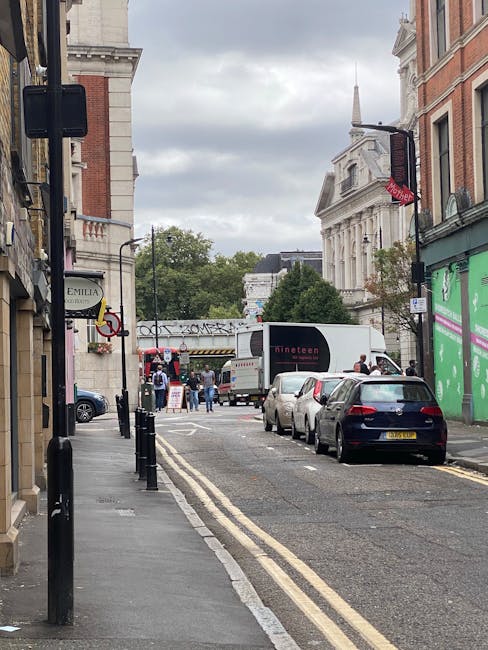
St John Street removals access advice in Farringdon
If you are planning a move on or near St John Street, you already know the street can be a bit of a puzzle. Tight pavements, busy traffic, delivery windows, shared entrances, stair-only buildings, and the usual London "just one more obstacle" vibe can all turn a simple removal into a careful bit of logistics. This guide to St John Street removals access advice in Farringdon is here to make that process feel much less stressful.
We will walk through how access planning works, why it matters, what to check before moving day, and how to avoid the common headaches that slow crews down or increase costs. If you are moving a flat, office, or mixed-use property in the area, a little preparation goes a long way. Truth be told, in central London the difference between a smooth move and a fraught one is often just a few good decisions made early.
You will also find practical examples, a step-by-step checklist, and plain-English advice on permits, building access, loading, and safety. No fluff. Just the kind of guidance that helps you get the move done properly.
Table of Contents
- Why St John Street removals access advice in Farringdon Matters
- How St John Street removals access advice in Farringdon Works
- Key Benefits and Practical Advantages
- Who This Is For and When It Makes Sense
- Step-by-Step Guidance
- Expert Tips for Better Results
- Common Mistakes to Avoid
- Tools, Resources and Recommendations
- Law, Compliance, Standards, or Best Practice
- Options, Methods, or Comparison Table
- Case Study or Real-World Example
- Practical Checklist
- Conclusion
- Frequently Asked Questions
Why St John Street removals access advice in Farringdon Matters
Access advice sounds small until you are standing outside a building with a van, a sofa that will not turn the corner, and a neighbour politely but firmly telling you the entrance needs to stay clear. That is exactly why access planning matters on St John Street. The road sits in a part of London where buildings are close together, street space is limited, and movements often have to be fitted around traffic, pedestrians, loading restrictions, and building rules.
For removals, "access" covers more than just whether a van can stop outside. It includes how close the vehicle can legally get to the property, whether there is space to unload, whether there is a lift or only stairs, how wide the doorways are, and whether the building management needs advance notice. Miss one of those details and suddenly a job that should have taken one morning becomes a long, awkward day. Nobody enjoys that. Not the client, not the crew, not the neighbours who want their hallway back.
In Farringdon especially, access planning also helps with timing. The area can be lively early, busier later, and sometimes uneven because of deliveries, commuters, and nearby business activity. If you know the access conditions in advance, you can choose the right vehicle, the right arrival window, and the right crew size. That is where the real saving often happens.
Practical takeaway: the best removal days in central London are usually not the ones with the biggest vans or the fastest loading promise. They are the ones with the clearest access plan.
How St John Street removals access advice in Farringdon Works
Good access advice is basically a structured risk check. It starts before moving day, ideally when you first request a quote, and it keeps going until the van is unloaded and clear of the street. In a place like St John Street, the process usually includes five things: route planning, parking or loading arrangements, property access checks, handling needs, and timing.
First, the removal team or organiser should assess the route. That means thinking about which side of the street the property sits on, how easy it is to stop nearby, whether there are busier sections at certain times, and whether the vehicle can get in and out without causing problems. A route that looks fine on a map may feel very different in person, especially where road space is tight. A quick one-minute walk-up can save an hour of confusion later.
Second, there is the loading point. Can the van stop directly outside, or will items need to be carried from around the corner? Is the curb level safe for trolleys? Are there timing restrictions? On a practical level, the less the team has to shuttle items, the lower the chance of delays and the easier it is to protect fragile furniture.
Third, access inside the building matters just as much. Stairs, lifts, narrow landings, coded entry systems, and shared corridors all change the job. If the lift is booked and someone else is using it, the whole plan can slip. If the staircase is narrow, large items may need to be taken apart first. That is why some moves in Farringdon feel simple on paper and slightly awkward in reality. To be fair, London buildings love a surprise.
Finally, the move needs a realistic timetable. A small studio with straightforward access can move quickly. A top-floor flat with limited parking and a staircase-only route needs a different approach. The better the plan, the calmer the day.
Key Benefits and Practical Advantages
When access is properly planned, the move usually feels more controlled and less frantic. That sounds obvious, but the knock-on effects are worth spelling out.
- Fewer delays: the van arrives at the right place, at the right time, and starts working instead of circling the block.
- Less physical strain: carrying items shorter distances reduces risk for everyone involved.
- Better protection for belongings: shorter carries and clearer routes mean fewer bumps, knocks, and risky turns.
- More accurate pricing: a good access assessment helps the quote reflect the real job, not an optimistic guess.
- Lower stress for residents and neighbours: clear loading plans and tidy timing help avoid complaints or awkward run-ins.
- Safer handling: tricky access often means more lifting, more turning, and more chances for accidents if nobody has planned it well.
Another often-overlooked benefit is decision quality. Once you understand the access, you can decide whether you need a smaller van, extra movers, packing support, or a staggered load. That kind of decision is where experienced removals teams earn their keep. It is not glamorous, but it works.
And yes, there is a money angle too. The less time spent hunting for parking or carrying furniture long distances, the more efficient the move tends to be. No one likes paying for avoidable faffing around.
| Access issue | Why it matters | Typical result if ignored |
|---|---|---|
| No nearby loading space | Increases carry distance and time | Longer move, more labour, more stress |
| Narrow stairwell | Large furniture may not fit | Items may need dismantling or specialist handling |
| Restricted entry or concierge rules | Can block arrival or loading | Delays and possible rescheduling |
| Busy traffic period | Affects vehicle stopping and unloading | Higher risk of fines or rushed work |
| Unmeasured doorways | Furniture may not pass through cleanly | Damage, delays, or last-minute disassembly |
Who This Is For and When It Makes Sense
This kind of advice is useful for more people than you might think. It is not just for large house moves. In fact, some of the trickiest access issues happen on relatively small jobs because people assume the move will be straightforward.
You will benefit from St John Street access planning if you are:
- moving into or out of a flat with stair-only access;
- relocating a small office, studio, or shared workspace;
- moving furniture into a building with concierge or management controls;
- handling a same-day move with limited parking time;
- moving a bulky item such as a sofa, wardrobe, bed, or desk;
- trying to avoid disruption to neighbours, tenants, or shopfronts;
- using a man and van style service and need the right vehicle choice.
It also makes sense if you are comparing removal companies and trying to work out who has actually thought about the route, not just the price. A cheap quote can look lovely until the day itself turns into a game of logistical twister.
If you are moving a home and want a broader overview of the service side as well as the access side, it can help to look at home moves support and compare that with more tailored options such as man and van or fuller removal services. Different move sizes need different levels of help, and access conditions often decide which route is best.
Step-by-Step Guidance
If you want the move to run smoothly, use this practical sequence. It is simple enough, but each step saves pain later. And yes, the boring bits are usually the important bits.
1. Start with a site review
Look at the property, the street, and the building entry in person if possible. Check where a van could legally stop, how far the carry is likely to be, whether there are steps at the entrance, and whether the route feels workable for larger items. If you cannot visit, ask for photos or a short video. A few extra phone pictures can prevent a lot of guessing.
2. Measure what matters
Measure door widths, hallway pinch points, stair landings, lift dimensions, and any awkward turns. Do not just measure the obvious front door. The turn halfway up the stairs is often the thing that catches people out. We have all seen it: the item fits everywhere except the one place that matters.
3. Confirm loading restrictions
Check whether the street allows loading at the time you need it. Think about morning, lunchtime, and late afternoon. If you are moving near a business-heavy stretch, the timing may matter more than you first expect. Make a note of any visitor bays, pay-and-display zones, or time-limited stopping rules that affect the address.
4. Speak to the building manager or landlord
Ask whether there are rules for lifts, service entrances, protection mats, booking slots, or notice periods. Some buildings are easygoing. Others not so much. A quick call can stop a move from being interrupted by a very polite but very firm "I'm afraid that lift is booked."
5. Match the vehicle to the access
Choose a vehicle size that suits the street and the property. A larger van may be efficient for volume, but a smaller van can sometimes save time if the area is tight. This is where local experience matters. The right vehicle is not always the biggest one.
6. Prepare the items for the access route
Wrap fragile pieces, take apart large furniture if needed, and group items so they can move quickly. If there is a long carry, use sturdy bags and labelled boxes rather than loose odds and ends. Nobody wants to be juggling a lamp, a kettle, and half a bookshelf on a narrow landing.
7. Build in buffer time
Always allow a little extra time for London realities: traffic, pedestrians, building checks, or an awkward sofa that refuses to pivot gracefully. The extra cushion is boring until the day it saves you.
8. Keep communication simple on the day
Have one person responsible for access decisions and one clear contact number. If the crew needs a quick answer about the lift, the door code, or where to park, they should not have to chase three different people.
Expert Tips for Better Results
A few practical habits make a surprisingly big difference in Farringdon moves. These are the little things people only learn after a few bruising experiences, and it is better not to learn the hard way.
- Measure the awkward item first. If you have a wardrobe, piano, large fridge, or oversized sofa, check that item against the route before anything else.
- Photograph the access route. Stairs, entry doors, and kerbs are worth photographing because they show scale far better than a quick description.
- Plan for the weather. A damp pavement, wet box, or slippery entrance can slow things down and create safety issues. London rain has a way of appearing exactly when you do not need it.
- Protect communal areas. Floor coverings and corner protection may seem minor, but they matter in shared buildings.
- Keep the load sequence sensible. Put the first-needed items near the door or in easy reach, not buried behind mattresses and lamps.
- Use the right help for tricky items. Oversized furniture, delicate antiques, or heavy appliances sometimes need more than a standard carry team.
One other tip, and it sounds tiny but really helps: write the access plan in plain English. "Meet at front gate, call on arrival, use rear loading bay if free" is much more useful than three pages of vague instructions. Simple wins. Usually.
If your move involves bulky household items, you may also find the advice in expert advice on moving your bed and mattress safely useful, especially where stairs or narrow landings are involved. For lighter but still awkward loads, measuring for narrow doorway challenges in Farringdon is the kind of check that can save a lot of head-scratching.
Common Mistakes to Avoid
Most access problems are avoidable. That is the frustrating part. They do not usually come from one dramatic mistake; they come from a few small assumptions that stack up.
- Assuming the van can stop outside. Never rely on guesswork for central London loading.
- Ignoring building rules. A lift booking or notice period can make or break the schedule.
- Forgetting about the return trip. Getting in is one thing; leaving with a loaded vehicle is another.
- Not measuring turning space. A door width alone does not tell the full story.
- Underestimating carry distance. Even an extra 30 metres matters when there are boxes, trolleys, and stairs involved.
- Choosing the wrong vehicle. Too big can be just as awkward as too small.
- Leaving access questions until moving day. That is usually when the answer becomes inconvenient.
A common example is the "it should be fine" move. A client thinks the street looks quiet, the van seems manageable, and the flat is only on the second floor. Then the team discovers the only stopping point is blocked by daytime traffic, the lift is out of service, and the sofa has to come apart. Not a disaster, but definitely a day made harder than it needed to be.
Another mistake is forgetting to check who else uses the building entrance. In shared spaces, your move may need to work around residents, deliveries, cleaners, or office staff. If you do not plan for that, you can end up politely negotiating with half the building before breakfast. Nobody likes that.
Tools, Resources and Recommendations
You do not need specialist equipment for every move, but a few practical tools make access management easier. Think of these as your quiet helpers, the unglamorous bits that make the day smoother.
- Measuring tape: essential for doorways, lifts, and stair turns.
- Phone camera: useful for photographing access points, parking restrictions, and tricky items.
- Floor protection materials: helps protect shared hallways and entrance areas.
- Furniture blankets and wraps: useful where tight corners or long carries increase the chance of damage.
- Box labels: make unloading more efficient when the property layout is awkward.
- Simple access notes: door codes, contact names, lift booking times, and arrival instructions written clearly.
For larger or more complex moves, it is worth comparing service levels. Some people only need a straightforward vehicle and lifting help. Others need packing, dismantling, and more careful coordination. If that is you, take a look at packing and unpacking services or office relocation services if the move involves business equipment and timing constraints.
There is also value in reading move-planning content that deals with local access realities. For example, quick loading strategies near Farringdon Station and flat access tips for nearby streets can help you think through similar access patterns, especially if your route is part of a wider Farringdon move.
Law, Compliance, Standards, or Best Practice
Moves in central London often touch on parking, loading, safety, and building access, so it is wise to treat the practical and compliance side seriously. The exact requirements vary by street, property, and building, so this section is about common best practice rather than pretending there is one rule that fits every address.
Here are the main areas to think about:
- Parking and loading: check local restrictions before assuming a stopping point is available. This is especially important where short-stay loading areas or timed restrictions apply.
- Building rules: many flats and offices have their own access policies, including lift bookings, protective coverings, and time windows for removals.
- Health and safety: safe lifting, clear walkways, and sensible manual handling should be standard practice. Heavy items and stair carries need proper care.
- Insurance: any removals provider should be able to explain how belongings and property are handled if something goes wrong. If you are unsure, ask before the move, not after.
- Waste and disposal: if items are being removed or recycled, make sure disposal is handled properly and in line with normal waste expectations.
Good practice is usually simple: plan ahead, confirm permissions, keep routes clear, and avoid rushing. That is the real rule. Slightly boring, but effective.
If you want to understand the company's standards around safety and accountability, it can also help to review the site's health and safety policy and insurance and safety information. For pricing clarity, the page on pricing and quotes is useful when you are trying to match access complexity to a realistic budget.
Options, Methods, or Comparison Table
Not every move on St John Street needs the same setup. The right approach depends on the size of the move, the access conditions, and how much lifting support you want. Here is a simple comparison to help you think it through.
| Option | Best for | Strengths | Limitations |
|---|---|---|---|
| Small man and van | Light flat moves, single bulky items, short distances | Flexible, easier to fit into tight streets | Less suitable for larger loads or multiple heavy items |
| Full removal service | Whole-home or multi-room moves | More support, better for complex access | Usually more planning needed, may cost more |
| Office move team | Commercial moves, equipment, desks, files | More structured planning and coordination | Requires clear building access and timing |
| Furniture-only move | Sofas, beds, wardrobes, one-off collections | Efficient for isolated access challenges | Less helpful if packing or dismantling is also needed |
If you are unsure which option fits, ask yourself two questions. First, how awkward is the access? Second, how much of the lifting do you want taken off your shoulders? The answers usually point to the right service level. And if they do not, that is a sign to ask more questions before booking.
Case Study or Real-World Example
Here is a realistic example based on the sort of move that comes up often around St John Street and the wider Farringdon area.
A tenant was moving out of a one-bedroom flat on an upper floor with stair access only. The street outside was busy during the morning, and there was no reliable space for a large van to sit for long. The property also had a narrow landing near the top of the stairs, which made the sofa look manageable at first glance but a lot less friendly once the turns were measured properly.
Instead of turning up and hoping for the best, the move was planned in advance. The furniture list was checked, the sofa was measured, the lift question was ruled out early, and the arrival time was moved slightly earlier to avoid the busiest part of the day. The crew used a smaller vehicle, reducing the need to block the street, and the bulky furniture was prepared in advance so dismantling did not eat into the schedule.
The result was not glamorous, but it was smooth. No angry knocking on building doors, no back-and-forth over where to stop, and no one standing in the hallway wondering whether the wardrobe would ever make that corner. Honestly, that is a successful move in London: uneventful in the best possible way.
The important lesson? The access plan did most of the work before the van even arrived. That is what good removals advice does. It quietly removes the friction.
Practical Checklist
Use this checklist before moving day. If you can tick most of these off, you are in a strong position.
- Confirm the full address and exact entry point.
- Check whether the van can stop nearby for loading.
- Measure doorways, hallways, stair turns, and lift dimensions.
- Ask about building access rules, booking slots, and entry codes.
- Identify any bulky items that may need dismantling.
- Decide whether a small van or larger removals vehicle is more suitable.
- Prepare furniture protection, blankets, and wrap materials.
- Label boxes clearly, especially if the carry route is long.
- Check timing restrictions for the street and surrounding area.
- Share one clear contact number for the day.
- Keep communal areas clear and protected where possible.
- Build in buffer time for traffic, access checks, and awkward pieces.
Expert summary: if you do the measuring, ask the building questions, and match the vehicle to the access rather than to hope, your move is already halfway won. That is the honest version.
Conclusion
St John Street removals access advice in Farringdon is really about one thing: making sure the move fits the street, the building, and the time available. When access is planned properly, everything becomes easier. The crew works more efficiently, your belongings are handled with more care, and the day feels less like a scramble and more like a sequence of sensible steps.
Whether you are moving a flat, an office, or a single bulky item, the same principles apply. Measure early, confirm the route, check building rules, and choose the right level of help. A small amount of preparation now can save a surprising amount of noise, stress, and delay later.
If you are still comparing options, it is worth reviewing service details, safety standards, and quote information before you book. That way, you are not just choosing a price. You are choosing a move that actually works on the day.
Get a free quote today and see how much you can save.
And if the streets of Farringdon feel a little unpredictable, that is normal. With the right access plan, they become much more manageable than they first look.
Frequently Asked Questions
How do I know if St John Street has enough access for a removals van?
Check where a van can legally stop, whether there is room for unloading, and how far items would need to be carried. If you are unsure, a site visit or clear photos usually answer the question quickly.
Do I need to measure doorways and staircases before moving?
Yes. Doorways, landings, stair turns, and lift sizes can all affect whether larger furniture will fit. Measuring only the front door is a common mistake and often not enough.
What if my building has a lift booking system?
Book it as early as possible and share the slot with your removals team. Lift access can make a huge difference to timing, especially in busy shared buildings.
Is a smaller van better for St John Street moves?
Sometimes, yes. A smaller vehicle can be easier to park and unload in tighter streets. The right choice depends on volume, timing, and how much space is actually available outside the property.
How far in advance should I plan access for a move in Farringdon?
As early as you can. Even a straightforward move benefits from a few days of planning, and a more complex one may need longer if permissions or building arrangements are involved.
What are the most common access problems in this area?
Limited loading space, narrow staircases, restricted entry times, and lift bookings are among the most common issues. They are manageable, but only if you plan for them.
Can access issues affect the price of a removal?
Yes, they can. A longer carry, extra labour, special handling, or more time on site can all affect the quote. That is why accurate access details are so useful at the start.
Should I tell the removal company about bulky items in advance?
Absolutely. Large sofas, wardrobes, beds, and appliances can change the vehicle choice, staffing, and moving method. It is much better to mention them early.
What if the street is busy on moving day?
Try to choose a better time window if possible, and make sure the loading plan is clear. In central London, a slightly earlier or later start can make the whole process smoother.
Do I need special equipment for a move on St John Street?
Not always, but trolleys, protection materials, straps, and blankets are very useful where access is tight. For awkward or heavy pieces, specialist handling may be the safest option.
How can I reduce the risk of damage in a narrow building?
Protect the route, measure carefully, and dismantle items where needed. It also helps to keep the team informed about tight corners or fragile surfaces before the move begins.
What is the best next step if I want help with access planning?
Gather your measurements, note the building rules, take a few photos of the entrance and street, and request a quote based on real access details. That gives you a far better result than a guess.
If you want to compare service levels or learn more about how the company works, you may also find the about us and contact us pages useful for next-step planning.