Cowcross Street removals: Farringdon flat access tips
Posted on 28/04/2026
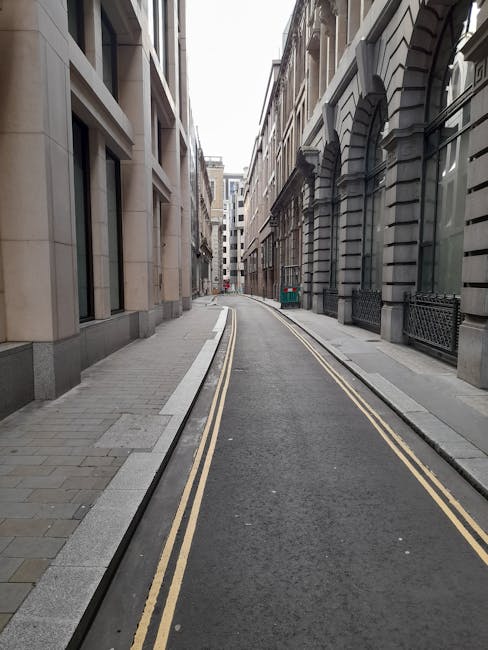
Cowcross Street removals: Farringdon flat access tips for a smoother move
Moving out of a flat near Cowcross Street can look simple on a map and feel very different on the day. Narrow entrances, shared hallways, lift delays, awkward parking, and tight turnarounds can turn a straightforward Farringdon move into a logistics puzzle. That is exactly why Cowcross Street removals: Farringdon flat access tips matter: they help you plan the access, protect your belongings, and keep the move calm rather than chaotic.
If you are moving from a studio, a one-bed, a student flat, or a larger apartment in the area, the difference between a smooth move and a stressful one is often preparation. This guide walks you through the practical side of access planning, what to check before removal day, how to avoid common mistakes, and which services can make life easier. You will also find links to useful resources on packing, storage, and specialist item handling so you can plan the whole move as one joined-up process.
In short: if access is tight, timing matters, and you want fewer surprises, this article will help you move with more control.
Why Cowcross Street removals: Farringdon flat access tips Matters
Flat access is one of those moving issues people underestimate until they are standing at the front door with a sofa that will not clear the bend in the stairwell. Around Cowcross Street and the wider Farringdon area, that risk rises because many homes sit in older buildings, mixed-use blocks, or converted properties where entrances were never designed for modern furniture sizes.
Good access planning matters because it affects almost every part of the move:
- Time - slow access increases loading time, and that can affect the whole schedule.
- Safety - carrying bulky items through tight spaces increases the chance of damage or injury.
- Cost - delays and extra labour can push the move beyond the original estimate.
- Neighbour relations - poor coordination can block hallways, inconvenience residents, or trigger complaints.
- Item protection - awkward angles are where dents, scratches, and torn upholstery often happen.
That is why access planning is not just a nice extra. It is part of the move itself. If you are already arranging flat removals in Farringdon, the smartest thing you can do is think about access before you think about boxes.
For many people, the real question is not "Can I move from here?" but "How do I move from here without making the day harder than it needs to be?"
How Cowcross Street removals: Farringdon flat access tips Works
Access planning works by breaking the move into a series of physical and timing checks. You are not just moving items from A to B; you are making sure the route between A and B can actually support those items.
Start with the building itself. Ask how people and furniture get in and out. Then check the route from the flat to the van. In practice, that means looking at stairs, lifts, corridor widths, doorway sizes, ceiling heights, parking restrictions, loading points, and whether anything blocks the route on the day.
A useful rule is to think in layers:
- Inside the flat - can the item be dismantled, wrapped, or rotated safely?
- Inside the building - are there lifts, stairs, sharp corners, or narrow landings?
- Outside the building - is there a sensible loading point nearby?
- Vehicle access - can the van stop close enough to avoid long carries?
- Timing access - are there windows, key handovers, or building rules that affect entry?
This is where a professional approach helps. A good removals team does not just show up and hope for the best. They ask the right questions before the move, plan for item size, and choose the right vehicle and crew size. If you need a more flexible service for a tight urban move, it may also make sense to look at man and van support in Farringdon or a fuller range of removal services in Farringdon, depending on how much you need moved and how complex the access is.
In other words, access planning is the bridge between "moving day" and "moving done properly."
Key Benefits and Practical Advantages
Once you prepare access properly, the benefits are immediate and practical. You may not notice them much on a perfect move, but you will definitely notice their absence when things go wrong.
- Less time wasted at the curb - a clear loading plan keeps the van moving efficiently.
- Lower risk of damage - fewer tight turns and less last-minute lifting means less stress on items.
- Better crew coordination - everyone knows what comes out first and where it goes.
- More accurate pricing - realistic access details help the quote reflect the actual job.
- Reduced moving-day stress - fewer unknowns usually means fewer panicked decisions.
There is also a practical benefit people often miss: good access planning can reveal whether you need storage, extra packing, or specialist handling before moving day arrives. If you discover that a bed frame or wardrobe will not fit safely through the stairs, you can still adjust the plan rather than improvise. For example, some items may be easier to handle after using packing and boxes support in Farringdon and the right protective materials, while larger pieces may need disassembly or alternative transport.
That kind of foresight is what turns a move from reactive to controlled. And controlled is always cheaper in effort, even if it does not look flashy on paper.
Who This Is For and When It Makes Sense
These tips are useful for almost anyone moving from a flat near Cowcross Street, but they matter most in a few common situations.
- People in upper-floor flats where stairs are narrow or lifts are small.
- Tenants in converted buildings where hallways and entrances are uneven or awkward.
- Students and sharers who need a quicker, simpler move with limited budget and time.
- Families moving apartment contents who need more space, more coordination, and better packing.
- Anyone with large or fragile furniture such as beds, sofas, mirrors, or pianos.
It also makes sense if you are moving at short notice. If the timeline is tight, access planning prevents the move from turning into a series of guesswork decisions. In those cases, a faster option such as same-day removals in Farringdon can be useful, provided the access details are clear and the team knows what to expect.
If you are simply shifting a few items, a smaller vehicle and fewer crew members may be enough. If you are moving a full flat with bulky furniture, you will likely need a more structured approach. That is where a local removal van in Farringdon and the right lifting plan become especially valuable.
Step-by-Step Guidance
The best way to handle a Cowcross Street flat move is to treat access as a mini project. Here is a practical sequence that works well in real life.
1. Measure the obvious problem points
Measure doorways, stair landings, lift dimensions, and the largest pieces you plan to move. Do not rely on memory. A sofa that "should fit" is not the same as a sofa that has actually cleared the corner.
2. Identify every carrying route
Look for the best path from the flat door to the street. If there are two routes, compare them. One may be shorter but much tighter. The longer one may be easier, safer, and quicker overall.
3. Check loading restrictions and timing
Find out whether there are parking rules, permit requirements, or loading bays nearby. If the van has to park further away than expected, the carrying distance increases and the schedule changes with it.
4. Decide what should be dismantled
Flat-pack furniture, bed frames, and some wardrobes can often be dismantled to reduce risk. If you are unsure, it is usually better to disassemble more than you think rather than try to force a piece through a tight route.
For especially awkward furniture, it helps to review specialist guidance such as safe bed and mattress moving advice and practical notes on moving pianos and other heavy items.
5. Prepare the flat before the crew arrives
Clear hallways, tape loose rugs, remove wall art, and keep boxed items grouped by room. This reduces bottlenecks at the exact point where people are carrying large items. A cleaner route is not glamorous, but it saves time.
6. Protect furniture and fragile items
Use blankets, wraps, mattress covers, and corner protection where needed. Sofas, for instance, often need more protection than people assume, especially in tighter buildings. If you are storing items before or after the move, the guidance in this sofa protection guide is especially helpful.
7. Load in a sensible order
Heavy, stable items normally go in first, followed by lighter boxes, then fragile items secured carefully. The aim is to reduce movement in transit and make unloading more controlled at the destination.
8. Keep essentials aside
Set aside documents, chargers, medication, keys, a kettle, and a small overnight bag. No one wants to rummage through twenty boxes because the phone charger was packed "somewhere safe."
Expert Tips for Better Results
These are the details that make a noticeable difference on the day.
- Photograph the stairwell and entrance before moving day. A quick picture can explain access issues better than a long message.
- Tell the removals team about lifts that are slow or unreliable. Even one lift delay can change the whole loading rhythm.
- Use colour labels by room so items go to the right place quickly at the other end.
- Reserve parking or loading space early if needed. Urban streets can be unforgiving when a van has nowhere to stop.
- Pack by weight as well as by room. Overloaded boxes are a strain in narrow stairwells.
A simple but powerful tip: if an item feels borderline too large, assume it is too large until proven otherwise. That mindset prevents unnecessary damage. Truth be told, the move usually rewards caution more than optimism.
For the broader moving process, it also helps to read packing advice for a successful move and practical ways to make moving less stressful. Those guides support the same outcome: fewer surprises and better control.

Common Mistakes to Avoid
Most access problems come from a short list of avoidable mistakes.
- Not measuring furniture properly - the item is larger than the doorway more often than people expect.
- Ignoring the route out of the flat - a piece may fit through the door but fail on the stair landing.
- Leaving packing until the last minute - loose items slow everything down and make carrying harder.
- Forgetting building rules - some blocks require advance notice or booked lift access.
- Underestimating carry distance from van to entrance - a few extra metres become tiring fast with heavy boxes.
- Using weak boxes for dense items - books, dishes, and tools can burst through bad packing.
Another common problem is trying to move one oversized item without checking whether a different route exists. Sometimes the simplest answer is not brute force; it is a better plan. If you are clearing clutter first, decluttering before moving can also reduce the number of awkward items that need to be carried at all.
And yes, trying to "just angle it a bit more" can be a real moving-day strategy. It is also how people end up with scuffed paintwork.
Tools, Resources and Recommendations
You do not need specialist equipment for every move, but a few tools make access-heavy removals far easier.
- Measuring tape for doors, stairwells, and furniture dimensions.
- Furniture blankets to protect wood, upholstery, and painted surfaces.
- Mattress covers for keeping bedding clean and dry.
- Ratchet straps or securing belts for stabilising loads in the van.
- Marker pens and labels for fast identification at loading and unloading.
- Heavy-duty tape and boxes for keeping contents secure in transit.
If you want the job handled with more support, a local provider offering man with a van services in Farringdon can be a sensible middle ground between doing everything yourself and booking a larger full-service move. For bigger homes or more complex moves, a more complete option such as house removals in Farringdon may be more appropriate.
It is also worth looking at the company's wider support pages before you book. Details on pricing and quotes, insurance and safety, and the health and safety policy can help you understand how the move is managed and what to expect.
Law, Compliance, Standards, or Best Practice
For a flat move in a busy part of London, the main compliance issues usually concern parking, access, safe lifting, and building rules. The exact requirements depend on the property, the local streets, and the service being provided, so it is wise to confirm details in advance rather than assume.
Best practice usually includes:
- Checking parking or loading restrictions before the van arrives.
- Following building access rules for lifts, fobs, call points, and communal areas.
- Using safe lifting techniques and proper equipment for heavy items.
- Keeping escape routes and shared areas clear while carrying items.
- Confirming the service scope in writing so everyone knows what is included.
If you are comparing providers, it is sensible to review public-facing policy pages and service terms. Useful references include terms and conditions, payment and security, and the company's about us information. These pages do not replace your own checks, but they do give a clearer picture of how the business operates.
If accessibility matters to you or a household member, it is also worth reviewing the site's accessibility statement. For some moves, especially in multi-occupancy buildings, accessibility is not just a preference; it is part of a safe and workable plan.

Options, Methods, or Comparison Table
Different moves need different approaches. The table below compares common options for flat removals around Cowcross Street and similar Farringdon properties.
| Approach | Best for | Strengths | Limitations |
|---|---|---|---|
| DIY move | Very small loads and flexible timing | Lowest direct cost, full control | Hard work, higher risk with stairs and large items |
| Man and van | Light to medium flat moves | Flexible, practical, often cost-efficient | May need more planning for larger furniture |
| Full removals team | Larger or more complex flat moves | More hands, better coordination, less lifting burden | Usually more expensive than a smaller service |
| Split move with storage | Moves needing staging or delay | Helpful when access or timing is not ideal | Requires extra planning and coordination |
There is no single best option for everyone. If you are moving a few boxes and a desk, a smaller service may be perfect. If you are moving a bed, sofa, wardrobe, and awkward stair access, a fuller service is usually the safer bet. You can also combine services with storage if the keys, access, or move-out timing do not line up neatly. In that case, storage in Farringdon can be a practical buffer.
Case Study or Real-World Example
Consider a typical scenario: a one-bedroom flat near Cowcross Street with a narrow stairwell, a lift that is too small for a large sofa, and a loading space that can only be used briefly. On paper, the move looks manageable. In practice, the sofa becomes the main obstacle.
The solution starts before moving day. The resident measures the sofa, checks the stairwell width, and takes photos of the route. The removals team advises that the sofa should be wrapped and removed before the heavier box stack begins. A second person is asked to help spot corners, and the van is parked as close as the loading rules allow. Smaller items are loaded first only after the bulky piece is safely on board.
What changed the outcome was not strength. It was sequencing.
That same approach works for mattresses, tables, desks, and even delicate items that do not like being tilted or squeezed. If you have a larger or more awkward piece, specialist guidance such as piano moving best practices shows the same principle on a more demanding scale: know the route, protect the item, and move deliberately.
The lesson is simple. Good access planning does not need to be complicated. It just needs to be done before the problem appears.
Practical Checklist
Use this checklist a few days before the move, then again on the morning itself.
- Measure all large furniture pieces.
- Check doorway, hallway, stair, and lift dimensions.
- Confirm parking or loading arrangements.
- Notify the building if advance access approval is needed.
- Decide which items should be dismantled.
- Pack fragile items securely and separately.
- Label boxes by room and priority.
- Set aside essentials for the first night.
- Protect floors, corners, and furniture where needed.
- Keep hallways and shared areas clear.
- Share photos of access issues with the removals team.
- Review insurance, safety, and service terms before the move.
Expert summary: the safest and fastest flat move is usually the one where access, packing, and timing are aligned before the van arrives. That is especially true in central London properties where small building details can create big delays.
Conclusion
Moving from Cowcross Street or anywhere nearby in Farringdon does not have to be difficult, but it does need careful access planning. Measure the route, understand the building, choose the right removal method, and prepare the flat before anyone starts carrying boxes. Those simple steps reduce damage, save time, and make the day feel much more manageable.
If you are still deciding how much support you need, start with your access constraints, then match the service to the job. A smaller move may suit a flexible van service. A larger or more awkward flat move may benefit from more hands and a clearer plan. Either way, the right preparation makes a visible difference.
Get a free quote today and see how much you can save.
To take the next step, explore the wider local options for removals in Farringdon or compare trusted removal companies in Farringdon so you can choose the level of support that fits your move.