Elevator booking tips to avoid Farringdon move delays
Posted on 10/06/2026
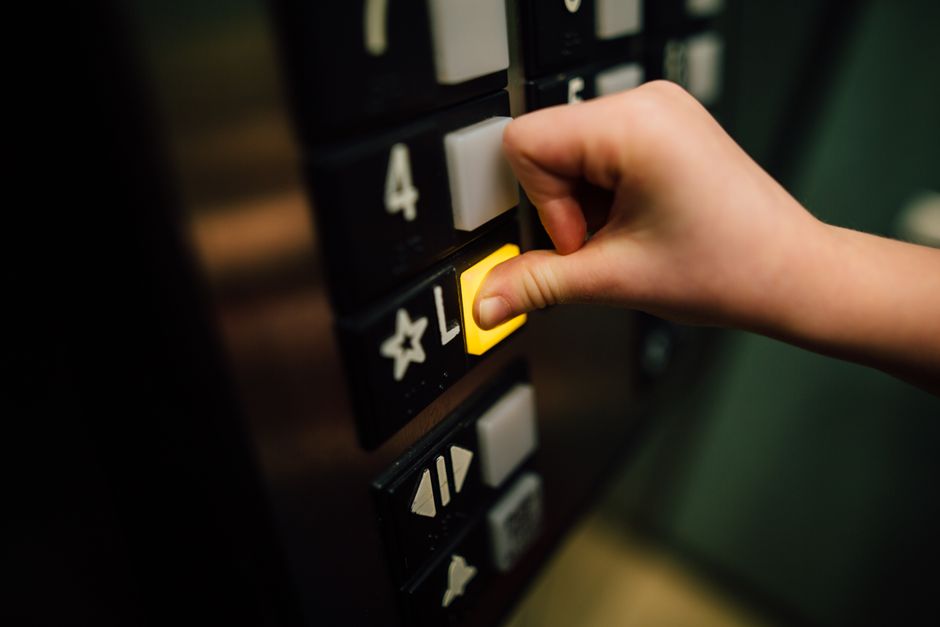
If you are moving in or out of a flat, office, or converted building in central London, the lift can make or break the day. The right elevator booking tips to avoid Farringdon move delays can save you from awkward stand-offs, wasted labour time, and that sinking feeling when the removal team is ready but the lift is not. Farringdon has its own rhythm: tight streets, busy entrances, older buildings, and neighbours who are often trying to get on with their day too. A little planning goes a long way here.
This guide walks you through how lift bookings actually work, what to ask for, when to book, and how to avoid the common mistakes that slow everything down. It is written for real moving days, not theory. You will also find a checklist, a comparison table, and some practical local insight drawn from the sort of access issues that come up again and again in Farringdon.
Why elevator booking tips to avoid Farringdon move delays matters
In a place like Farringdon, time disappears quickly. A lift held by another resident, a concierge who has not received the booking, or a loading plan that ignores peak foot traffic can throw the whole schedule off by an hour or more. That may not sound dramatic on paper, but on moving day it is the difference between a smooth handover and everybody standing around on a stairwell with a sofa wedged halfway through a doorway. Not ideal.
Elevator booking is not just about reserving a machine. It is about coordinating access so your removal team, your neighbours, the building manager, and any loading arrangements all line up. When people search for advice on avoiding move delays, they are often really asking, "How do I stop small access problems becoming expensive ones?" That is the heart of it.
For Farringdon properties, this matters even more because many homes and offices sit in converted buildings, managed blocks, or compact developments with shared lifts. Some have time windows. Some need a fob. Some allow only one move at a time. If you are moving large items, you may also want to think beyond the lift itself and read practical pieces like measuring up for narrow doorway challenges and flat access tips for Cowcross Street because lift access and door access often fail together, not separately.
How elevator booking tips to avoid Farringdon move delays works
Think of a lift booking as a mini appointment system. You are not simply asking to use a shared facility; you are claiming a specific window for a high-traffic activity that affects everyone else in the building. In practical terms, the process usually looks something like this:
- You check whether the building requires advance notice for removals.
- You confirm whether the lift can be booked for a time slot, or whether it can only be protected by a porter or concierge.
- You tell your removal company the access rules early, not on the morning.
- You plan arrival time around the lift slot, not the other way round.
- You keep the route clear, the parking plan tidy, and the loading sequence efficient.
That last point is the one people often overlook. If the lift is booked but the van cannot stop nearby, or if boxes are still being taped while the crew waits, you have not really solved anything. You have just moved the bottleneck. A lot of delay is caused by poor sequencing, not bad luck.
In a Farringdon setting, the lift booking should sit inside the wider move plan. For example, if you are moving a one-bedroom flat, booking the lift for the same hour the van is due may feel sensible. But if there is a security desk, a shared lobby, or a loading bay a few streets away, you may need a buffer. That buffer is not wasted time. It is insurance against the sort of delays that happen when London mornings get busy, which, to be fair, is most mornings.
Key benefits and practical advantages
Done properly, a lift booking does more than prevent arguments. It improves the entire moving day experience. The big advantages are straightforward, but they are worth spelling out.
- Fewer waiting periods: your crew can keep moving instead of standing around.
- Lower risk of damage: fewer rushed lifts means fewer bumps, scrapes, and awkward turns.
- Better neighbour relations: people are far more tolerant when they know what is happening and when.
- More accurate labour planning: removal teams can estimate their work more reliably when access is confirmed.
- Less stress on the day: you are not chasing building staff while carrying boxes.
There is also a quieter benefit: confidence. Once the lift slot is locked in, you can focus on packing, final checks, and the practical details that usually get forgotten until the last minute. If you are still at the stage of organising boxes, the guide on packing successfully for a move pairs neatly with this because the smoothest move days tend to start weeks earlier, not hours earlier.
Expert summary: the best elevator booking strategy is not the earliest possible slot or the longest possible slot. It is the slot that fits the real sequence of your move: van arrival, access, packing completion, and handover. That sounds basic. It really is. But basic things are where delays are won or lost.
Who this is for and when it makes sense
This approach is useful for anyone moving in Farringdon where a lift is involved. That includes tenants, homeowners, students, office managers, landlords, and anyone coordinating a small-to-medium removal in a managed building. It is especially relevant if you are dealing with:
- high-rise or mid-rise apartment blocks
- shared lifts in converted Victorian or Georgian properties
- commercial buildings with concierge-controlled access
- buildings with restricted moving hours
- busy streets where loading time is limited
- heavy or awkward items such as beds, wardrobes, or pianos
It also makes sense if your move is time-sensitive. If you have keys being handed over at noon, a train to catch later, or building management only allows removals within a narrow window, lift booking is not optional. It is the difference between calm and chaos. Truth be told, even small student moves can get messy if a lift booking is missed.
If you are moving furniture that needs extra care, it is worth reading about moving your bed and mattress safely and piano moving best practices. Those items turn a simple lift booking into a logistics problem very quickly. One wrong assumption, and suddenly everyone is discussing angles, turning space, and ceiling height in the lobby.
Step-by-step guidance
1. Check the building rules first
Before you book anything, ask the building manager, concierge, or landlord how lifts are handled for moves. Do you need advance notice? Is there a designated moving lift? Are weekends allowed? Can the lift be padded or protected? These details matter more than people expect.
2. Measure the whole route, not just the lift
Measure the goods lift or passenger lift opening, then check the route from flat to street. Hallways, corners, fire doors, and lobby turns can all slow the team down. A lift that looks generous on paper may still be useless if the route into it is awkward. If in doubt, have a look at narrow doorway measuring advice for Farringdon moves.
3. Book the right time window
Try to book your lift slot for the period when the team will actually be moving items, not when the van is merely expected to arrive. Build in a buffer for parking, security checks, and the first trip upstairs. In busy parts of Farringdon, a 30-minute buffer can be the difference between calm and rushed.
4. Confirm the booking in writing
A verbal "yes" is nice, but written confirmation is better. Keep a note of the date, time, building contact, and any access restrictions. If the lift is booked through an agent or concierge, make sure everyone involved has the same information. This is one of those small admin tasks that saves a huge headache later.
5. Coordinate with your removal company
Give your movers the exact booking slot, the building address, the access rules, and any instructions about protecting the lift. A good crew can work quickly if they know the set-up. They cannot magically fix surprise restrictions, though. Nobody can.
6. Prepare the items before the lift slot begins
Have boxes sealed, furniture disassembled where needed, and fragile items wrapped. If the lift is booked for a short period, you want to use that time for transport, not for last-minute tape and sorting. The article on decluttering before moving is useful here because a lighter load is easier to move and far less likely to clog the lift schedule.
7. Keep the route clear on the day
Move prams, bikes, bins, and loose clutter out of the way before the crew arrives. A clean route makes lift loading faster and reduces the chance of damage. If you are leaving a flat, the checklist in turning a move-out checklist into a cleaning success can help you tie access prep and final cleaning together.
Expert tips for better results
Here is where the practical detail really pays off. A few small decisions can make the whole move feel easier.
- Book earlier than you think you need to: lift slots in managed buildings can go quickly, especially at month-end.
- Avoid peak lobby periods: if possible, steer clear of school runs, office arrival times, or the middle of the lunch rush.
- Use one person as the access contact: too many people chasing the concierge leads to mixed messages.
- Protect the lift interior: use blankets, corner guards, or whatever the building allows.
- Load in a sensible order: heavy items first if the building layout supports it, lighter items after.
- Keep doors open only when needed: save time, but do not block the corridor longer than necessary.
If you have a larger property or a complicated move, a more structured service can help. Pages like furniture removals in Farringdon, flat removals in Farringdon, and office removals in Farringdon may be useful when planning the broader logistics. Different moves need different pacing. That is just the reality of it.
One thing many people forget: the lift is part of a shared environment. Keeping noise down, not overfilling the car, and respecting the booking window makes life easier for everyone. And in a place like Farringdon, where people live and work very close together, that goodwill is worth preserving.

Common mistakes to avoid
Most lift-related delays are predictable once you have seen a few of them. The same patterns come up again and again.
- Leaving the booking too late: by then the preferred slot is gone.
- Assuming the lift is free because it is empty: many buildings require formal reservation.
- Ignoring the return trip: if you need the lift for both loading and unloading, plan both sides.
- Forgetting building access codes or fobs: surprisingly common, and very annoying.
- Not telling the removals team about the restrictions: this leads to wasted arrivals and slow starts.
- Not accounting for bulky items: a sofa or wardrobe may need more space than expected.
There is a second layer of mistake too: overconfidence. A move can feel straightforward until the lift is out of service for maintenance, or someone else has booked the same slot. Then everyone is improvising, which is not where you want to be on a Monday morning with half your kitchen in cardboard boxes.
Tools, resources and recommendations
You do not need a huge toolkit, but a few simple things make lift-based moves much easier:
- Building contact list: name, number, email, and backup contact if available.
- Written move plan: slot time, arrival time, van details, and item list.
- Floor plan or quick sketch: helpful for bulky furniture and room placement.
- Packing materials: sturdy boxes, tape, labels, wraps, and furniture covers.
- Protective blankets: useful for both furniture and lift edges where permitted.
For packing supplies and support, the site's packing and boxes in Farringdon page is a practical starting point. If you need short-term overflow space while access is being sorted, storage in Farringdon can help reduce pressure on the day. And if you want a broad overview of the moving services available, the services overview is worth a look.
For planning cost and timing, pricing and quotes can be useful before you commit. It helps set expectations early, which honestly removes a lot of moving-day guesswork.
Law, compliance and best practice
Lift booking and move access in the UK is usually governed less by one single law and more by a mix of building rules, lease conditions, property management procedures, and common-sense safety practice. That means you should always treat the building's own instructions seriously, even if they feel overly cautious.
Best practice usually includes:
- booking access in advance where required
- protecting communal areas from damage
- keeping escape routes clear
- following any instructions from the managing agent or concierge
- ensuring movers handle items safely and do not block access for others
If your move involves shared spaces, it is worth checking insurance expectations too. The page on insurance and safety is useful for understanding the kind of care reputable movers should take. For the standards behind workplace and operational conduct, health and safety policy and terms and conditions are also helpful reading if you want a clearer sense of process.
One practical note: if the lift is in a commercial building, the rules can be stricter than in a private block. Loading bays, reception checks, and lift protection rules may all apply. Better to ask once and early than find out while the crew is already on site.
Options, methods, or comparison table
Not every move uses a lift in the same way. Here is a simple comparison to help you choose the right approach.
| Method | Best for | Pros | Watch-outs |
|---|---|---|---|
| Formal lift booking | Managed flats, offices, buildings with concierge access | Clear slot, fewer disputes, better planning | Can be limited by time windows and building rules |
| Informal access arrangement | Smaller buildings or simple landlord-managed properties | Quick to arrange, less admin | More risk of misunderstanding or overlap |
| No lift booking, just turn up | Rarely suitable, maybe only in very simple properties | Least admin, in theory | Highest delay risk and often not allowed |
For most Farringdon moves, formal booking wins. It is not always glamorous, but it is the dependable option. If you are moving a full household, the material on house removals in Farringdon and removal services in Farringdon can help you match the method to the job. Students, meanwhile, may find student removals in Farringdon more relevant for shorter, lighter moves.
Case study or real-world example
Here is a simple, realistic example. A tenant moving out of a two-bedroom flat near the Farringdon station area booked a van for 9:00 a.m. and assumed the building lift would be free. It was not. Another resident had already reserved it for a furniture delivery, and the concierge could only offer a later slot. The moving team ended up waiting in the lobby, boxes stacked by the wall, while the clock kept moving. By the time the lift became available, the schedule had slipped, the street was busier, and the unloading run was squeezed.
Now compare that with a better-planned version. The tenant confirmed the lift booking three days in advance, gave the movers the exact slot, and packed the hallway the night before. The van arrived ten minutes after the lift window opened. The crew worked in a clean sequence, protected the lift interior, and got everything out before the building's lunchtime traffic picked up. No drama. No scramble. Just a sensible, boring, excellent move. Sometimes boring is exactly what you want.
That same logic applies near busy access points too. If your move involves tight loading close to the station or market activity, you may also find quick loading strategies near Farringdon Station and market-day access advice for Exmouth Market useful as supporting reading.
Practical checklist
Use this before moving day. It is simple, but it works.
- Confirm whether the lift must be booked in advance.
- Ask for the exact time slot and any duration limit.
- Find out whether the lift can be padded or protected.
- Check if you need a fob, pass, or concierge sign-in.
- Tell your movers the booking details early.
- Keep the route from flat to lift clear.
- Finish disassembly and packing before the booked slot.
- Label boxes so unloading is faster at the destination.
- Make sure someone is available to meet the movers.
- Keep a backup contact number for the building manager.
- Allow a small buffer for parking and security checks.
- Have a plan if the lift becomes unavailable.
If you are reviewing your overall moving strategy, the article on efficient ways to make house moving stress-free can help pull everything together. It is the kind of planning that feels slightly over the top until, well, you need it.
Conclusion
Lift booking may seem like a minor admin task, but in Farringdon it can shape the whole moving day. The best elevator booking tips to avoid Farringdon move delays are really about coordination: ask early, confirm clearly, pack properly, and give everyone the same plan. Do that, and you remove one of the biggest causes of wasted time in a city move.
Keep the lift slot aligned with your real moving sequence, not your wishful one. Build in a buffer. Tell the building. Tell the movers. Keep the corridor clear. It is simple advice, but simple advice is usually the advice that survives contact with reality.
If you want a move that feels calmer, safer, and a lot less rushed, the smartest thing you can do is treat access as part of the job, not an afterthought.
Get a free quote today and see how much you can save.